James Clear: Author of Atomic Habits
The author of Atomic Habits is an American writer and speaker who spent a decade studying how small behaviours compound — long before his book made the idea famous worldwide.
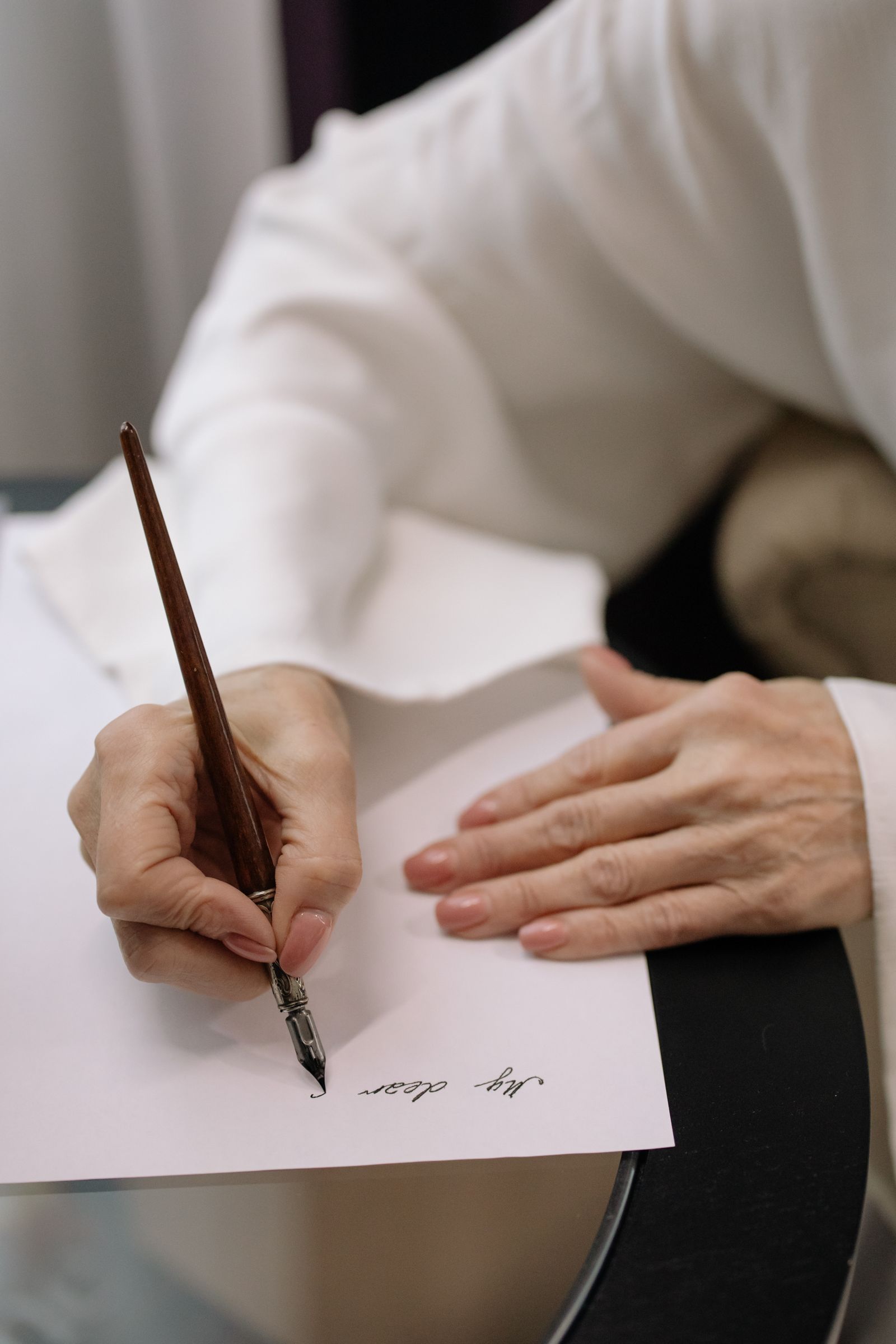
James Clear is an American writer and speaker who built his reputation writing about habits, decision-making and continuous improvement, most famously in his 3-2-1 newsletter. His 2018 book Atomic Habits became one of the best-selling non-fiction titles of its era, translated into more than sixty languages.
Background
James Clear grew up in Ohio, in the United States, and played baseball at Denison University, where he was named to the Academic All-America team as a pitcher. The defining episode of his early life came in high school, when a baseball bat accidentally struck his face during practice, causing multiple fractures and a lengthy recovery. As he tells it in the book's introduction, rebuilding his life through small, steady routines — sleep, study, training, order — became the seed of everything he later wrote about habits.
After university he worked in fields that rewarded close observation of behaviour, including time as a performance coach for athletes and executives, and he wrote extensively about the science of behaviour change. Rather than arriving as a celebrity academic, Clear built his reputation slowly, article by article, from around 2012 onwards on his own website, jamesclear.com.
The writing and the newsletter
Clear's signature strength is translation: he takes findings from psychology, neuroscience and biology and restates them as simple behaviours an ordinary person can perform today. That style built one of the most popular email newsletters in the world, his "3-2-1" newsletter — three ideas from him, two quotes from others, and one question for the reader — which reaches millions of subscribers every week. His work has been published or featured by major outlets including The New York Times, Time and The Wall Street Journal, and he speaks regularly to large companies and conferences about habits, decision-making and continuous improvement.
Atomic Habits and why it spread
Atomic Habits was published in October 2018 by Avery, an imprint of Penguin Random House. It became a long-running number one New York Times bestseller, has sold tens of millions of copies, and has been translated into more than sixty languages — placing it among the best-selling non-fiction books of its era.
Why did a book about everyday behaviour spread so far? Partly timing: it arrived as interest in self-improvement shifted from motivational speeches toward practical systems. Partly design: its framework — the habit loop and the Four Laws — is easy to remember, easy to teach and easy to start, which made it a favourite of sports teams, companies, teachers and book clubs. And partly credibility: the ideas came tested by years of articles and a large reader community before the book existed. Readers did not just buy a theory; they adopted a vocabulary — "1% better," "habit stacking," "never miss twice" — that now circulates far beyond the book itself.
A note on this page
This short profile is written and maintained by Atomic Habits Guide, an unofficial reader site, using widely reported public facts about the author. It is not endorsed by James Clear. For his own account of his work, visit his official website, jamesclear.com, or read Atomic Habits itself — our summary and chapter pages are a companion to it, not a replacement.
Start reading the ideas: the full book summary — or browse the book's most famous short lines on our quotes page.